
TSA Known Shipper Program for Domestic Air Freight: What Businesses Need to Know
When a shipment needs to move by commercial airline, many businesses assume the process is as simple as delivering a package to an airport and putting it on the next available flight.
The reality is more complicated.
Domestic air freight transported on commercial airlines must follow security requirements established by the Transportation Security Administration (TSA). One of the most important parts of this process is understanding the TSA Known Shipper Program and how it impacts where freight can originate, who can handle the shipment, and what requirements must be met before a shipment can move.
TEC helps businesses navigate these requirements and determine whether commercial air freight, including urgent services such as Next Flight Out (NFO), is the right solution for their shipment.
Quick Answer: A TSA Known Shipper is a business approved to ship freight on commercial passenger aircraft. You can’t apply directly — you go through an approved carrier like TEC. Approval typically takes 24 hours to a few weeks.
What Is a TSA Known Shipper?
A TSA Known Shipper is a business whose shipping location has been approved through the TSA air cargo security program.
This approval allows eligible freight from that approved location to be considered for transportation on commercial passenger aircraft, provided all other airline, security, and shipment requirements are satisfied.
Being a Known Shipper does not mean every shipment automatically qualifies for air transportation. The freight must still meet airline acceptance requirements, packaging standards, security requirements, and any restrictions related to the shipment contents.
How to Become a TSA Known Shipper
Unlike many security or compliance programs, there is no direct application form a business fills out with TSA to become a Known Shipper. Instead, the process works through an Indirect Air Carrier (IAC) — a TSA-approved freight forwarder or transportation provider who submits your business for verification.
Here’s how it typically works:
- Contact TEC
- Provide business verification details. This generally includes your company name, shipping address, contact information, and shipping history. TSA relies in part on third-party business verification (such as Dun & Bradstreet records) to confirm your company’s legitimacy. Please note this must be the address you are shipping freight from (the address we collect from)
- The IAC submits your information into the TSA’s Known Shipper Management System (KSMS) for review.
- TSA evaluates the application individually. TSA does not publish a fixed checklist of requirements — each business is reviewed on its own circumstances.
- Approval timing varies. Known Shipper status through an existing IAC can often be completed in a range off an hour or two to a few weeks, depending on your business history and TSA’s review. This is separate from becoming an IAC yourself, which is a longer, more formal process that can take approximately 90 to 120 days. When you call TEC we can verify if you are known quite quickly, usually within 60 minutes.
There is no fee to become a Known Shipper through this process.
The easiest way to start: rather than trying to navigate TSA’s systems directly, call TEC. As an experienced transportation provider, we can walk you through what’s needed and help determine whether Known Shipper status makes sense for your shipping needs.
The Approved Shipping Location Is What Matters
One of the biggest misconceptions about the Known Shipper Program is that the receiving location must be approved.
That is incorrect.
For domestic air freight, the important factor is the origin location where the freight is picked up.
The shipment must originate from the approved Known Shipper address. If freight is moved to another warehouse, another business location, or a different pickup point, that location may not qualify as the approved shipping location.
In simple terms:
- The pickup location matters.
- The receiver does not need to be a Known Shipper.
- Freight must be collected from the approved shipping location.
- Moving freight somewhere else before pickup can affect eligibility.
Known Shipper Approval Does Not Allow You to Drop Freight at the Airport
Another common misunderstanding is that once a company becomes a TSA Known Shipper, they can personally deliver their freight directly to the airline or airport cargo facility.
That is not how the process works.
Known Shipper approval applies to the shipping location. It confirms that freight originating from that location may enter the secure air cargo transportation process.
However, custody of the freight during the ground transportation portion must remain with an approved transportation provider.
This means:
- A shipper cannot simply drop freight at the airline counter.
- A TSA-approved driver or approved transportation provider must pick up the freight from the Known Shipper location.
- The approved driver maintains custody while transporting the shipment to the airport.
- Pickup and delivery arrangements at the final destination may vary depending on the shipment requirements.
Being a Known Shipper approves your location as a shipping origin—it does not turn your business into an airport cargo facility.
The Shipment Must Match What Was Scheduled
Before a shipment moves by commercial airline, the freight presented for pickup must match the information provided when transportation was arranged.
This includes:
- Exact weight
- Dimensions
- Number of pieces
- Packaging type
- Description of contents
For example, if a shipment was quoted as one 40-pound box measuring 18″ x 18″ x 18″, but the actual shipment is multiple boxes, heavier, larger, or contains different materials, the shipment may require re-evaluation.
Accurate shipment information helps avoid delays and ensures the freight can be properly accepted.
No Liquids or Batteries in Air Freight Shipments Unless Approved in Advance
Certain items have restrictions when moving by commercial aircraft.
For safety and airline acceptance reasons, liquids and batteries should not be included in air freight shipments unless they have been specifically disclosed and approved before pickup.
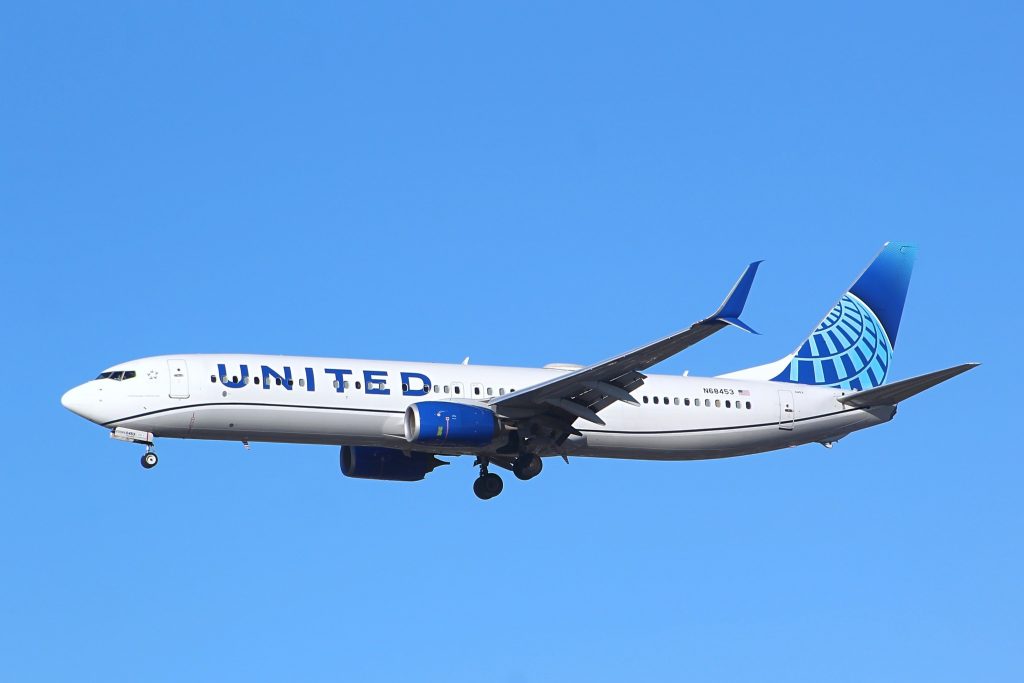
Undeclared restricted items can cause delays, rejection, or additional review.
If you are unsure whether your shipment contains a restricted item, contact TEC before pickup. It is always better to confirm eligibility before the freight is collected.
Proper Packaging Requirements
Commercial airline freight must be packaged appropriately for transportation.
Acceptable packaging generally includes:
- Plain corrugated cardboard boxes
- Standard shipping cartons
- Properly packed commercial containers
- Secure shipping mailers when appropriate
One important consideration is that the outside of the package should accurately represent the shipment.
Avoid using retail boxes with images or markings that show different products than what is actually inside. For example, a box displaying electronics, appliances, or other unrelated products should not be used to ship different contents.
The goal is simple: the packaging should clearly and accurately represent the shipment.
Airline Counter-to-Counter Service Is No Longer the Standard Process
Many businesses remember older airline shipping processes where a customer could bring freight directly to an airline counter and the recipient could retrieve it at another airport.
That process is generally no longer how domestic commercial airline freight is handled.
Today, expedited air freight typically involves coordinated pickup, airline transportation, and final delivery through approved transportation channels.
TEC helps coordinate the complete transportation process, including pickup, airport handling requirements, and final delivery when needed.
Known vs Unknown Shipper Comparison
| Known Shipper | Unknown Shipper | |
|---|---|---|
| Screening | Standard X-ray/security screening | Enhanced screening required |
| Aircraft eligibility | Passenger + cargo aircraft | Cargo aircraft only |
| Route flexibility | More flight options | Limited to cargo-only routes |
| Typical transit speed | Faster | Slower |
Does Every Urgent Shipment Need Air Freight?
Air freight is one of the fastest transportation options available, but it is not always the best solution.
Depending on distance, shipment size, and required delivery timing, an expedited ground option may provide a better result.
Examples include:
- Dedicated sprinter vans
- Straight trucks
- Hot shot transportation
- Overnight ground freight
TEC helps evaluate the shipment and recommend the best transportation method based on the actual business need.
Real solutions: “An energy company needed emergency replacement parts flown from Minnesota to Texas. Because their facility wasn’t Known Shipper-approved, TEC expedited the approval process nd got the shipment in the air within hours.”
Not Sure If You Are a TSA Known Shipper? Call 844-382-5068
Many companies are unsure whether their shipping location qualifies as a Known Shipper or whether their freight can move by commercial airline.
That is completely normal.
The requirements can seem confusing the first time you arrange domestic air freight, especially when timelines are critical.
TEC can help you understand:
- Whether your shipping location is approved
- Whether your shipment meets air freight requirements
- Whether NFO or scheduled next-day air is appropriate
- What packaging and documentation considerations apply
If you are considering shipping by commercial airline, it is better to ask questions before the freight is packed and scheduled.
Contact TEC today to discuss your shipment. We can help determine whether your freight qualifies for domestic air transportation and guide you through the process from pickup to final delivery.
Last updated: September 2026
Frequently Asked Questions: TSA Known Shipper Program
What is a TSA Known Shipper?
A TSA Known Shipper is a business whose shipping location has been verified and approved through TSA’s air cargo security program, allowing eligible freight from that location to be considered for transportation on commercial passenger aircraft.
How do I become a TSA Known Shipper?
There’s no direct application you submit to TSA yourself. You work through a TSA-approved Indirect Air Carrier (IAC) — such as a freight forwarder — who verifies your business information and submits it to TSA’s Known Shipper Management System on your behalf.
Do I need to be a Known Shipper to ship air freight?
Not always. Known Shipper status is specifically required for freight moving on commercial passenger aircraft. Some air cargo moves via all-cargo aircraft instead, which may have different requirements. TEC can help determine which option fits your shipment.
Can I drop off freight directly at the airport?
No. Even with Known Shipper approval, you cannot personally deliver freight to an airline counter or cargo facility. An approved transportation provider must maintain custody of the shipment from pickup through airport handoff.
What items are restricted from air freight shipments?
Liquids and batteries generally cannot be included in air freight shipments unless specifically disclosed and approved in advance. Always confirm restricted items with your transportation provider before pickup.
How long does Known Shipper approval take?
Timing varies by business, but approval through an existing IAC typically takes anywhere from 24 hours to a few weeks. It’s best to start the process before your shipment is time-critical.