
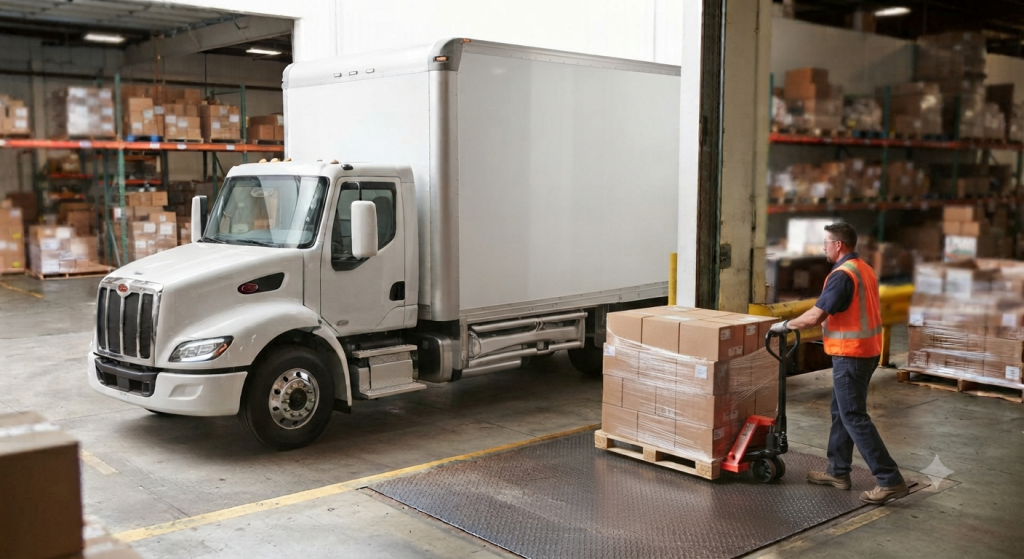
 LTL Freight & Line Haul Shipping: Pros, Cons & What Every Shipper Should Know
If you need to move freight without paying for an entire dedicated truck, LTL (Less-Than-Truckload) freight and line haul shipping are often the most economical options available. These services move millions of shipments every year and are ideal for businesses shipping palletized freight that doesn’t require an exclusive vehicle.
LTL freight is one of the most common shipping methods in the United States, but it is also one of the most misunderstood. Before booking an LTL shipment, it’s important to understand both the advantages and the limitations so there are no surprises.
The Quick Answer
Bottom line: LTL freight offers outstanding value and is often the lowest-cost shipping option for palletized freight with flexible delivery requirements. However, lower pricing comes with less control over pickup times, delivery appointments, shipment handling, and scheduling.
If your shipment is highly time-sensitive or requires dedicated service, expedited freight may be the better solution.
When LTL Freight Is the Right Choice
LTL shipping works best when:
- Your freight is palletized and securely packaged.
- Delivery timing is flexible.
- You want to reduce transportation costs.
- Your shipment does not require a dedicated truck.
- You are shipping one to six pallets.
- Your freight can move through multiple carrier terminals.
For businesses looking to balance cost and reliability, LTL line haul is often the smartest choice.
The Advantages of LTL Freight
The biggest reason companies choose LTL shipping is simple—lower transportation costs.
Cost Savings
Instead of paying for an entire trailer, you only pay for the portion of trailer space your shipment occupies. Multiple customers share the trailer, allowing shipping costs to be divided among everyone on board.
Ideal for Flexible Delivery Windows
If your customer has flexibility on delivery timing, LTL freight provides an excellent balance between affordability and dependable nationwide service.
Nationwide Coverage
LTL carriers operate extensive terminal networks throughout North America, making it possible to move freight between virtually any major city or business market.
The Realities of LTL Line Haul Shipping
Lower pricing comes with trade-offs. Because LTL freight moves through multiple terminals and follows scheduled routes, there is less flexibility than with dedicated transportation.
Delivery Windows Instead of Exact Appointment Times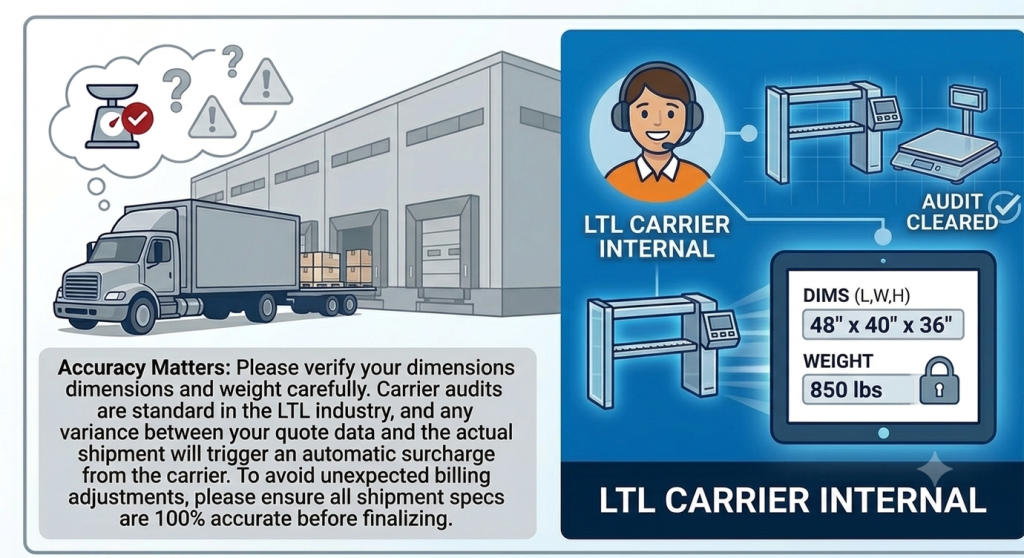
LTL carriers generally provide estimated delivery windows rather than guaranteed arrival times. Think of it much like waiting for a service technician—someone should be available throughout the scheduled window.
If the receiver closes before the truck arrives, the carrier will typically assess a redelivery charge.
Limited Driver Communication
Drivers generally do not provide phone calls when they are approaching your location. Shipment updates are typically provided through the carrier’s online tracking system.
Proper Packaging Is Essential
To avoid delays or damage, freight should be:
- Securely palletized
- Completely shrink-wrapped or banded
- Properly labeled
- Accompanied by a printed Bill of Lading (BOL)
Well-prepared freight moves through the LTL network much more efficiently.
Accurate Dimensions Matter
Carrier pricing is based on the dimensions, weight, freight class, and services requested when the shipment is booked.
Even small differences between the quoted shipment and the actual shipment can result in additional freight charges or reclassification fees. These fees are contractually correct and must be paid.
Pro Tip: Protect Your Shipment
Unlike dedicated expedited freight, LTL shipments are typically loaded and unloaded multiple times while moving through various distribution terminals.
We recommend:
- Take clear, time-stamped photos of your pallet(s) before pickup. Don’t consider it. Do it!
- Photograph the shipment after it is shrink-wrapped.
- Ask the receiver to photograph the shipment before signing the delivery receipt.
- Inspect freight carefully before accepting delivery if any visible damage is present.
These simple steps can be invaluable if a freight claim ever becomes necessary.
Insurance: Protect the Full Value of Your Freight
Just as you insure your home or automobile, we strongly recommend insuring your freight for its full commercial value. While most LTL shipments arrive without incident, freight moves through multiple terminals and is handled several times during transit, increasing the possibility of damage or loss.
Without additional cargo insurance, carrier liability is typically limited and often pays only pennies per pound, depending on the freight class and carrier’s terms. That reimbursement may be only a small fraction of what your shipment is actually worth.
For valuable shipments, cargo insurance provides inexpensive peace of mind and helps ensure you are protected if the unexpected occurs. It is a small investment that can prevent a significant financial loss.
We Make LTL Shipping Simple | Call 844-382-5068
Understanding carrier rules, freight classes, accessorial charges, and packaging requirements can be confusing. Our team helps customers choose the most cost-effective LTL solution while avoiding common mistakes that can lead to unexpected fees or shipment delays.
If your shipment isn’t time-critical, we provide access to more than 20 nationwide LTL carriers to help match your freight with the best combination of price, transit time, and service.
Whether you’re shipping a single pallet or several pallets across the country, we’ll help determine whether LTL line haul is the right fit—or whether expedited freight would better meet your delivery requirements.
Have questions? Call us or start a live chat today, and we’ll help you choose the shipping solution that best fits your timeline and budget.